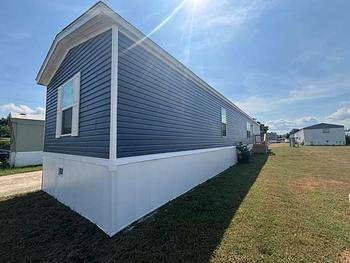
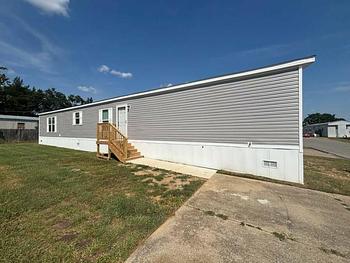
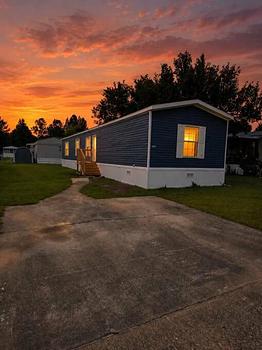
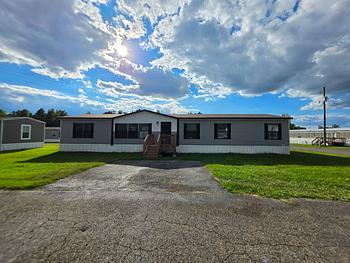
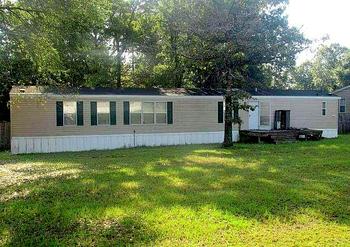
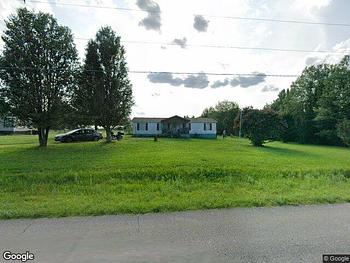
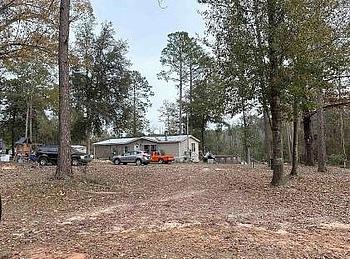
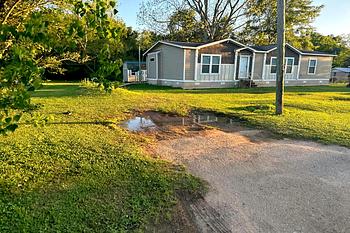
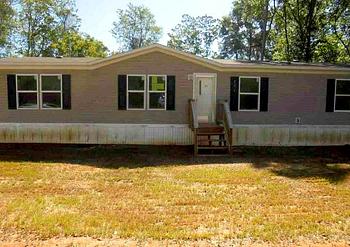
Foreclosed Mobile Homes in Alabama: The 2026 Buyer & Investor Guide
Article Featured
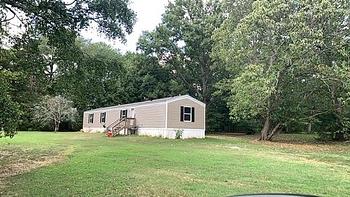
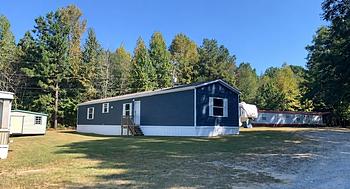
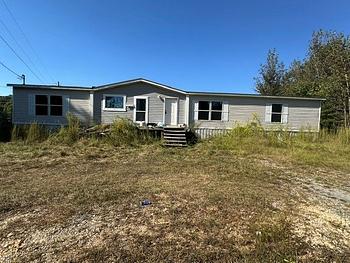
The demand for affordable housing has made manufactured homes a primary focus for both private homebuyers and yield-seeking real estate investors. In Alabama, where the cost of living remains comfortably below the national average, the market for distressed and bank-owned manufactured housing represents an incredible value-add frontier.
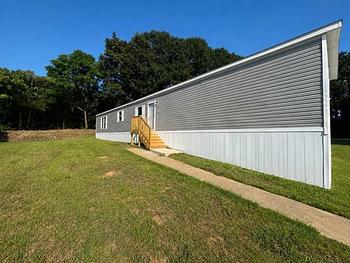
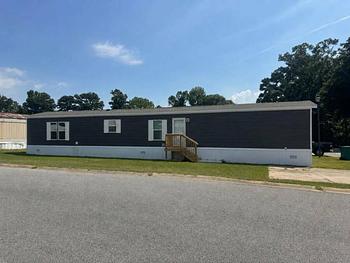
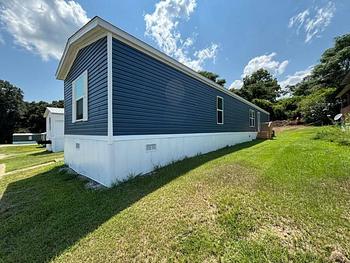
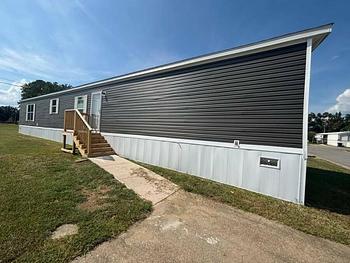
Navigating the inventory of bank-owned repossessions, government foreclosures, and distressed real estate requires a localized approach. For those tracking current opportunities, the database of foreclosed mobile homes in Alabama serves as a central hub for locating below-market assets across the state’s 67 counties.
This comprehensive guide breaks down the strategic advantages, geographical sweet spots, financing pathways, and operational challenges of buying foreclosed manufactured homes in the Heart of Dixie.
The Strategic Advantage of Alabama Foreclosures
Buying a foreclosed or repossessed (repo) mobile home in Alabama offers a distinct financial advantage over traditional single-family stick-built real estate.
Why the Alabama Market is Prime for Investment:
- Lower Cost Basis: Foreclosed manufactured homes are routinely priced between 20% and 50% below standard market value. It is not uncommon to find distressed single-wide or double-wide models priced below $40,000 in rural or suburban sub-markets.
- Rapid Equity Capture: Investors who understand cosmetic renovations can purchase bank-owned assets, invest minimal capital into flooring, drywall, and systems, and instantly force appreciation.
- Strong Rental Demands: Alabama’s agricultural, manufacturing, and defense corridors maintain an insulated demand for affordable workforce housing. A well-located manufactured home can yield impressive cash-on-cash returns when positioned as a long-term rental asset.
Regional Hotspots for Distressed Manufactured Homes
The Alabama real estate market is highly regionalized. When analyzing available foreclosed listings, opportunities typically fall into three distinct geographic corridors:
1. The North Alabama Defense & Tech Corridor (Huntsville & Decatur)
Driven by the massive economic footprint of Redstone Arsenal and the booming aerospace sector, Madison and Limestone counties have experienced rapid population growth. While traditional housing prices have climbed sharply, foreclosed mobile homes in neighboring communities—such as Athens, Moulton, or Hazel Green—offer affordable alternatives for commuters seeking to stay near this employment hub.
2. The Central Industrial Hub (Birmingham & Tuscaloosa)
Jefferson, Shelby, and Tuscaloosa counties feature a balanced mix of urban centers and sprawling rural edges. Areas like Woodstock, Adger, and Gardendale frequently feature bank-owned repossessions. These properties cater heavily to industrial contractors and logistics laborers who require affordable living spaces within a 30-to-45-minute drive of major distribution centers.
3. The Gulf Coast & Wiregrass Regions (Mobile, Baldwin County, & Dothan)
Southern Alabama presents a fascinating dual market. On one side, Baldwin County (near Gulf Shores and Elberta) is one of the fastest-growing regions in the state, driven by coastal tourism. Foreclosed properties here are rare and highly sought after for conversion into affordable vacation rentals or service-industry housing. Further inland, in the Wiregrass region near Dothan and Enterprise, listings lean toward rural properties on deeded acreage, perfect for homesteaders or long-term agricultural workforce housing.
Critical Due Diligence: "Home Only" vs. "Home on Land"
Before executing a purchase on any distressed asset, an investor must determine the legal classification of the property. In Alabama, mobile homes are initially classified as personal property (chattel) rather than real estate.
Deeded Real Estate (Home on Land)
If the manufactured home has been permanently affixed to a foundation and the owner filed an affidavit of land association with the local county probate office, the title is cancelled, and the structure legally merges with the land deed.
Investor Takeaway: These assets are foreclosed via traditional real estate mechanics. They are highly desirable because they include land ownership and qualify for standard mortgage financing.
Chattel Repossessions (Home Only)
If the home sits in an established mobile home community or on private land without being legally attached, it is treated like a vehicle foreclosure. The bank repossesses the unit itself, not the dirt beneath it.
Investor Takeaway: Buyers must either negotiate a new lot lease with the existing park community manager or arrange to physically transport the home to a new parcel of land.
Step-by-Step Purchasing Sequence
Navigating a foreclosure purchase involves strict timelines and legal protocols. Because many bank-owned properties are sold completely as-is, following a structured process is necessary to minimize financial exposure.
1.Locate and Filter Listings:
Monitor active repositories on portals showcasing bank repossessions and foreclosed properties. Filter listings by county, acreage status (deeded land vs. lot rent), and bedroom configuration to isolate target margins.
2.Verify Title and Lien Status:
Conduct a comprehensive title search through the local county probate judge's office. Ensure there are no outstanding state tax liens, mechanics liens, or unpaid back taxes attached to either the manufactured home serial number or the parcel deed.
3.Perform a On-Site Structural Audit:
Inspect the asset for structural integrity. Pay specific attention to the steel chassis/I-beams for rust, look for soft spots in the subflooring (often caused by humid Alabama summers), verify HUD tag presence, and evaluate the condition of the roof and skirting.
4.Secure Financing or Liquid Capital:
Confirm your capital stack. Real estate foreclosures may qualify for specialized conventional or government loans, while chattel-only repossessions generally require specialized personal property loans, hard money, or cash liquidations.
5.Submit the Formal Purchase Offer:
Submit your bid directly to the asset management department of the foreclosing bank or institutional lender. Ensure your offer accounts for anticipated "Day-1" rehabilitation costs, utility hookups, and potential transport expenses.
Financing Options for Distressed Manufactured Housing
Securing capital for a foreclosure requires choosing a financing vehicle that aligns with the property's legal structure. Traditional lenders can be hesitant to finance distressed mobile homes, but several specialized pathways exist:
- Specialized Chattel Lenders: Institutions like 21st Mortgage Corporation and VMF Homes specialize exclusively in manufactured housing finance. They regularly offer loan programs specifically tailored for repossessed and used mobile homes, even if the unit is located on rented land or inside a community park.
- FHA Title I & Title II Loans: The Federal Housing Administration provides paths for qualified buyers. Title I loans can be utilized for manufactured homes on rented lots, while Title II loans are reserved for homes permanently affixed to land that comply with strict HUD manufacturing guidelines.
- Conventional Financing: If the foreclosed property is categorized as real estate (home and land combined), standard conventional mortgages can be utilized, provided the home was built after June 15, 1976, and features a clean structural engineering certificate.
Mitigating Risks: Alabama-Specific Vulnerabilities
While the potential returns on a manufactured housing foreclosure are high, operators must account for specific regional environmental and regulatory challenges:
1. High Humidity & Subfloor Failure
Alabama's subtropical climate features intense summer heat and sustained humidity. If a foreclosed home has sat vacant with its HVAC systems disabled, moisture can collect rapidly. Buyers should inspect the particleboard subfloors commonly found in older models, as vapor exposure leads to rot around plumbing fixtures and exterior doors.
2. Wind Zone and HUD Regulations
Properties located in coastal counties (such as Mobile and Baldwin) are subject to strict HUD Wind Zone regulations. Homes manufactured after 1994 must comply with Wind Zone II or III standards to be legally installed or moved within these coastal zones.
3. Wastewater Infrastructure
In rural Alabama counties, central municipal sewer connections are rare. Manufactured homes on acreage almost exclusively utilize private septic tanks. A failing septic system or an unpermitted field line setup can completely erase your renovation profit margins, making an independent dye test or tank inspection an essential line item during your due diligence.
Take Action on Your Next Investment
Whether your objective is securing a low-overhead single-wide home to convert into a cash-flowing rental property near Birmingham or acquiring an affordable manufactured home on deeded acreage in the fast-growing Huntsville metro area, distressed real estate offers an exceptional entry point. Navigating this niche requires consistency, swift analysis, and accurate information.
Begin your property search by reviewing the comprehensive directory of foreclosed mobile homes in Alabama to review current property conditions, download historical title details, and coordinate directly with asset managers to secure your next below-market acquisition.