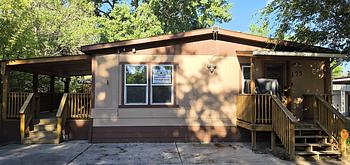
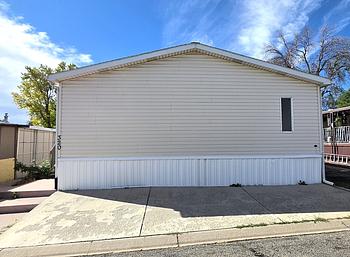
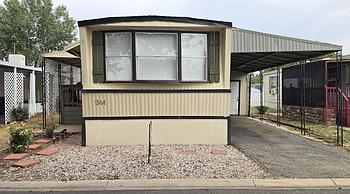
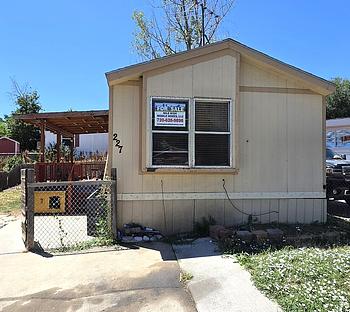
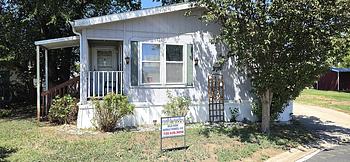
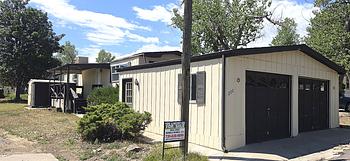
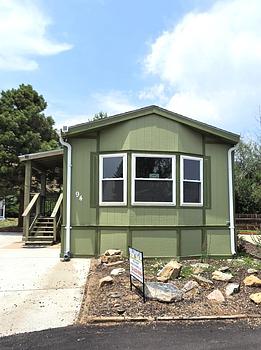
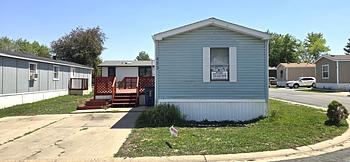
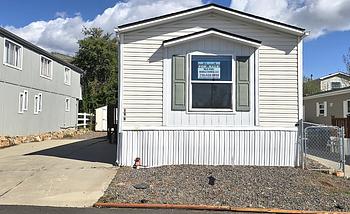
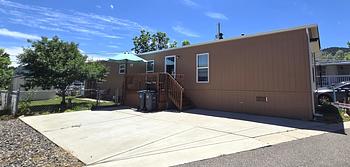
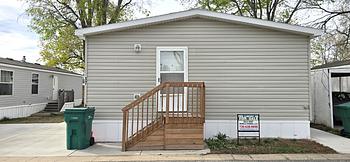
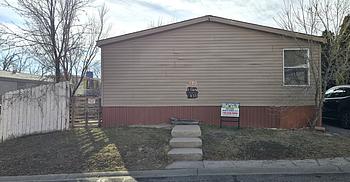
Foreclosed Mobile Homes in Colorado: The 2026 Buyer & Investor Guide
Article Featured
The Centennial State’s real estate market remains one of the most competitive in the nation. With traditional single-family home prices in metro areas hovering far above the national average, buyers and real estate investors are increasingly turning to alternative affordable housing sectors. In Colorado, the market for distressed, bank-owned, and foreclosed manufactured homes represents an exceptional value-add frontier for those who know how to navigate its unique geographical and regulatory landscape.
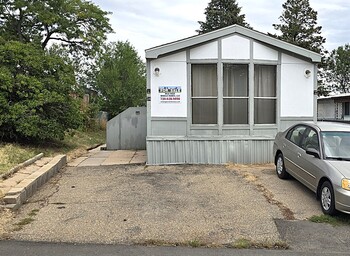
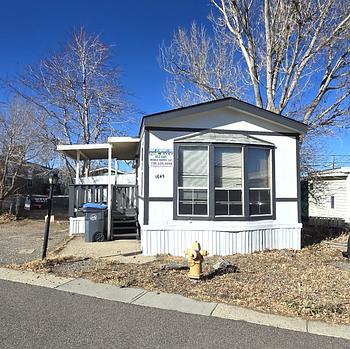
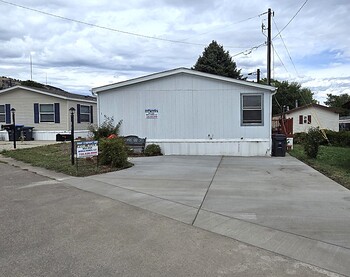
Whether you are looking for an affordable mountain homestead, a cash-flowing rental property along the Front Range, or a fix-and-flip opportunity, distressed manufactured housing offers a significantly lower barrier to entry. For buyers actively searching for below-market assets, the central database of foreclosed mobile homes in Colorado provides a direct pipeline to bank repossessions and foreclosures across the state’s 64 counties.
This guide outlines the core market drivers, geographic hotspots, financing strategies, and localized due diligence required to successfully buy foreclosed manufactured homes in Colorado.
The Strategic Advantage of Colorado Foreclosures
Investing in Colorado foreclosed mobile homes offers an aggressive path to equity capture that traditional stick-built housing simply cannot match in today’s economic climate.
Why the Colorado Market is Prime for Investment:
- Massive Price Disparity: The gap between traditional home prices and manufactured housing in Colorado is vast. While a median single-family home in Denver or Boulder can easily exceed $600,000, a foreclosed double-wide on its own lot or inside a community can often be acquired at a fraction of that costbasis.
- Insulated Rental Demand: Colorado's thriving tourism, outdoor recreation, and agricultural economies require a massive workforce. Affordable rental units are in incredibly short supply, ensuring low vacancy rates and strong rental yields for well-located assets.
- Forced Appreciation Potentials: Many bank-owned properties suffer from deferred maintenance rather than structural failure. Investors with a sharp eye for aesthetic upgrades (skirting, modern insulation, flooring) can quickly stabilize a distressed unit and unlock significant equity.
Regional Hotspots for Colorado Manufactured Housing Foreclosures
Colorado’s mountainous terrain and concentrated urban centers divide the manufactured home foreclosure market into three highly distinct geographic corridors:
1. The Front Range Urban Corridor (Denver, Colorado Springs, & Pueblo)
Stretching along Interstate 25 from Fort Collins down to Pueblo, this corridor is the state’s economic engine. While foreclosures are tightly contested in Denver and Colorado Springs, the surrounding suburban pockets—such as Adams County, Weld County (Greeley), and Pueblo County—frequently feature bank repossessions. In Pueblo, lower initial land costs combined with consistent demand make foreclosed mobile homes on deeded land highly lucrative rental properties.
2. The Western Slope & Mountain Rec Areas (Grand Junction, Delta, & Montrose)
Away from the high-priced ski resort towns, the Western Slope offers a robust market for manufactured housing. Grand Junction and the surrounding Mesa County area act as the commercial hub for Western Colorado. Foreclosed mobile homes here are highly sought after by local workers, retirees, and hobby farmers looking for affordable acreage with stunning views of the red rock canyons.
3. The Eastern Plains (Morgan, Logan, & Weld Counties)
Colorado's Eastern Plains are dominated by agriculture and energy production. In counties like Morgan and Logan, manufactured housing is a staple of the residential landscape. Foreclosures in these rural sectors typically include large parcels of deeded land, making them perfect targets for budget-conscious homesteaders or investors looking to establish long-term workforce housing for regional agricultural operations.
Critical Due Diligence: "Real Property" vs. "Chattel" in Colorado
Before bidding on any Colorado foreclosure, you must understand the property's legal classification. Colorado law treats manufactured homes very strictly regarding titles.
Real Property (Home & Land Combined)
For a manufactured home to be treated as real estate in Colorado, a Certificate of Permanent Location must be filed with the local county clerk and recorder. This document officially cancels the DMV/Department of Revenue vehicle title and legally merges the structure with the land parcel.
Investor Takeaway: These assets follow standard real estate foreclosure timelines and public trustee sales. They are highly valued because they qualify for conventional, FHA, and VA financing.
Chattel Repossessions (Home Only)
If the home is located inside an established mobile home park or sits on land without a permanent location certificate, it is classified as personal property (chattel).
Investor Takeaway: If you purchase a chattel foreclosure, you are buying the physical structure only. You must either pass the park management's strict background check to sign a new lot lease or cover the substantial cost of moving the home to private land.
Step-by-Step Purchasing Sequence
Because foreclosed manufactured homes are sold entirely as-is, where-is, missing a single due diligence step can lead to expensive regulatory complications.
1.Scan and Isolate Listings
Regularly monitor regional asset liquidations and bank portals. Filter Colorado listings by county, tracking whether the unit includes deeded land or requires a land lease.
2.Verify Taxes and Title Liens
Check with the local County Treasurer. Colorado is aggressive regarding mobile home tax collection; any unpaid personal property taxes attach to the unit itself and must be cleared to transfer the title.
3.Inspect for Cold-Climate Integrity
Conduct a thorough on-site physical inspection. In Colorado, focus your audit on the underbelly insulation, the heat tape efficiency on plumbing lines, roof snow-load ratings, and signs of subfloor warping from past frozen pipe leaks.
4.Confirm Park or Zoning Compliance
If the home is in a park, immediately apply for residency with management before finalizing your purchase. If it is on private land, verify with county zoning that the manufactured home age and size meet local land-use regulations.
5.Execute the Close and Title Transfer
Submit your finalized cash bid or pre-approved financing structure to the selling lender. Upon approval, ensure the title is properly cleared through the Colorado Department of Revenue or recorded as real property with the county.
Financing Options for Colorado Manufactured Foreclosures
Financing a foreclosed manufactured home depends heavily on its legal status and the age of the unit:
- Specialized Chattel Lenders: National manufactured housing lenders like 21st Mortgage Corporation, Triad Financial Services, and VMF Homes are highly active in Colorado. They regularly finance foreclosed units located within communities or on leased land.
- FHA Title II & Conventional Mortgages: If the foreclosed manufactured home is permanently affixed to its own land and was built after June 15, 1976 (the implementation date for HUD structural standards), it can qualify for standard conventional or FHA financing, provided it has a clean structural engineering certificate.
- Cash and Hard Money Capital: For distressed units requiring substantial immediate remediation, traditional lenders may decline the asset. Utilizing cash reserves or specialized hard money land loans allows investors to close quickly and refinance later once the property is stabilized.
Mitigating Risks: Colorado-Specific Vulnerabilities
To protect your profit margins, always account for these specific Colorado environmental and regulatory variables during your inspection window:
1. Freezing Temperatures and Pipe Bursts
Colorado winters are severe. If a bank-owned property has sat vacant through a winter cycle without proper winterization or active electricity to power its plumbing heat tape, there is a high probability of frozen, ruptured water lines. Always pressure-test the plumbing system before finalizing your rehabilitation budget.
2. Roof Snow-Load and Wind Ratings
Homes placed in mountain regions or higher elevations must be structurally rated to handle heavy Colorado snowpacks. Units built for warmer southern climates cannot legally or safely be moved into high-altitude Colorado counties. Always check the data plate inside the master bedroom closet or electrical panel to verify the home's original zone ratings.
3. Park Rules and Escalating Lot Rents
If you are purchasing a unit within a mobile home park, look closely at the community guidelines. Colorado has passed robust legislation protecting mobile home park residents, but lot rents in high-demand areas can still rise. Ensure your projected rental income or resale value easily absorbs the local monthly lot fees.
Secure Your Centenial State Value-Add Asset
With affordable housing inventory remaining incredibly tight across the Rocky Mountain region, buying a foreclosed manufactured home provides an unmatched path to building swift real estate equity. By maintaining a disciplined due diligence process, verifying title classifications, and targeting regions with strong local job growth, buyers can secure exceptional returns.
Take the first step by browsing the active, updated inventory of foreclosed mobile homes in Colorado today to review specific property conditions, compare active county listings, and connect with institutional asset managers to place your next below-market bid.