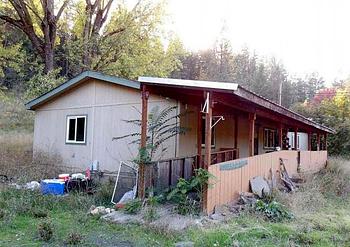
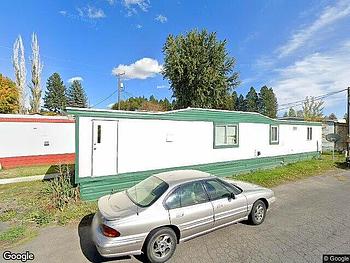
Foreclosed Mobile Homes in Idaho: The 2026 Buyer & Investor Guide
Article Featured
The Gem State’s real estate market has experienced unparalleled growth over the last several years. With rapid population migration to regions like the Treasure Valley and northern panhandle, traditional stick-built housing prices have pushed past the budgets of many local families, service-industry laborers, and starter-home buyers. This extreme supply crunch has elevated the importance of affordable alternative housing. In Idaho, the market for distressed, bank-owned, and foreclosed manufactured homes presents an exceptionally lucrative, low-overhead real estate strategy.
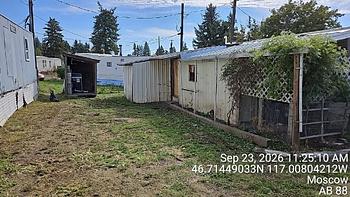
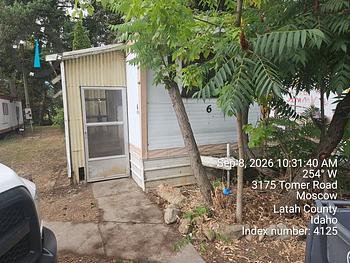
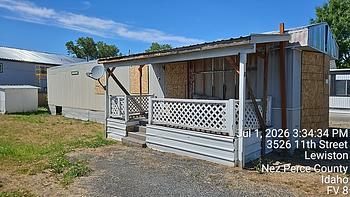
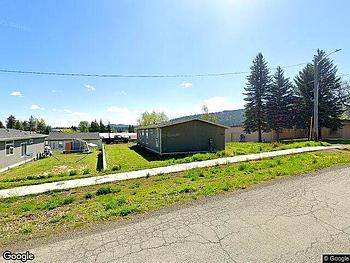
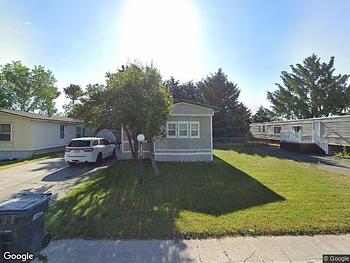
Whether your investment strategy is expanding a long-term rental portfolio, executing a rural fix-and-flip, or acquiring a low-cost vacation homestead near Idaho's major recreational lakes, distressed mobile homes offer significant discount potentials. For buyers ready to search active listings, the comprehensive database of foreclosed mobile homes in Idaho acts as the central clearinghouse for bank repossessions and foreclosures across Idaho’s 44 counties.
This comprehensive guide breaks down the financial benefits, regional market hot spots, legal title conversions, and Idaho-specific risk management steps required to capitalize on this niche asset class.
The Strategic Advantage of Idaho Foreclosures
With traditional home prices in Idaho sitting well above historic averages, manufactured housing foreclosures offer investors an aggressive avenue to lock in equity right at the closing table.
Key Factors Driving the Idaho Market:
- Deep Capital Discounts: Bank-owned manufactured properties are regularly listed 25% to 55% below standard retail value, giving savvy investors an entry point often lower than the raw cost of land development.
- Resilient Workforce Rental Yields: Idaho’s massive agricultural, timber, dairy, and expanding tech manufacturing sectors require an immense workforce. Well-maintained manufactured homes yield highly competitive cash-on-cash returns due to the systemic shortage of low-cost housing.
- Rapid Multi-Section Equity Play: Many repos are multisectional double-wide or triple-wide structures with cosmetic-only problems. Taking a distressed asset, executing paint, trim, and modern HVAC updates can immediately force appreciation.
Regional Hotspots for Idaho Manufactured Foreclosures
Idaho’s geography ranges from expansive agricultural plains to rugged mountain ranges. Distressed manufactured housing listings generally cluster into three distinct regional markets:
1. The Treasure Valley & Southwest Growth Hub (Boise, Meridian, & Caldwell)
As Idaho's core economic engine, the Boise metro area sees intense real estate demand. While finding foreclosures within Boise proper is rare, the outer edges of Ada and Canyon counties—such as Caldwell, Kuna, Middleton, and Nampa—frequently feature bank repossessions. These properties cater to the massive influx of construction and logistics laborers driving the valley's development.
2. The Magic Valley Agricultural Corridor (Twin Falls, Jerome, & Burley)
The Magic Valley is a powerhouse for food processing and large-scale agricultural business. In counties like Twin Falls and Minidoka, manufactured homes on acreage or within community parks are a critical fixture of the local housing stock. Foreclosures here are highly valued by long-term passive income investors focused on providing reliable workforce housing for local processing plant employees.
3. The Northern Panhandle & Resort Borders (Coeur d’Alene, Post Falls, & Sandpoint)
Northern Idaho features a combination of dense mountain wilderness, lakes, and rapid population growth near the Washington state line. Foreclosures in Kootenai and Bonner counties are fiercely competitive. Investors look for distressed single-wides or double-wides situated on private, wooded acreage, frequently converting them into affordable long-term options for resort-industry workers or personal mountain retreats.
Critical Due Diligence: "Statement of Intent to Declare" (SID)
Before putting down a deposit or bidding at a public trustee auction in Idaho, you must determine the legal classification of the manufactured home. Under Idaho Code § 63-304, a mobile home is classified either as personal property (chattel) or real property (real estate).
Real Property (Deeded Home & Land)
To convert a manufactured home into real estate, the owner must file a Statement of Intent to Declare (SID) with the county recorder, remove the running gear, and affix the unit to a permanent foundation. The Idaho Transportation Department (ITD) then officially cancels the vehicle title, merging the home with the land deed.
Investor Takeaway: These assets are foreclosed using standard, non-judicial Deed of Trust trustee sales. They include land ownership and are highly sought after because they easily qualify for FHA, VA, and conventional mortgages.
Personal Property / Chattel (Home Only)
If an SID was never executed, the home is treated exactly like a vehicle. If it sits on rented land or inside an established mobile home park, the bank forecloses strictly on the structural unit itself.
Investor Takeaway: Buyers are responsible for completing a title transfer with the DMV. You must quickly clear any background checks with park management to sign a new lot lease or prepare for the high logistical cost of transporting the home elsewhere.
Step-by-Step Purchasing Sequence
Because foreclosures are sold completely as-is, missing a regional regulation or an outstanding county assessment can completely eliminate your anticipated profit margins.
1.Locate Listings and Identify Classification:Step 1.
Track active repos and foreclosures via specialized asset portals. Sort current listings to distinguish between land-included packages and home-only park listings.
2.Verify Taxes with the County Treasurer:Step 2.
Check for unpaid personal property taxes. Under Idaho law, property taxes must be completely current or prepaid before the DMV will allow a title transfer or change of ownership on a manufactured home.
3.Perform a Cold-Weather Structural Audit:Step 3.
Inspect the property on-site. For Idaho properties, pay specific attention to the belly board membrane, checking for structural sagging, water line heat-tape function, and roof snow-load capacity ratings.
4.Verify Zoning and Foundation Compliance:Step 4.
If the home is on land, ensure the foundation matches Idaho Manufactured Home Installation Standards. If the asset is located outside a park, confirm that local city or county zoning ordinances allow your specific model year and size configuration.
5.Submit Offer and Complete Title Transfer:Step 5.
Submit your cash bid or specialized lender package to the bank's asset management desk. Once approved, deliver the county treasurer’s tax clearance receipt to the DMV to finalize legal ownership.
Financing Options for Idaho Distressed Mobile Homes
The financing path you choose must align cleanly with the age of the structure and how the property title is held:
- Specialized Chattel Financers: Lenders like 21st Mortgage Corporation, Triad Financial Services, and VMF Homes operate heavily across Idaho. They specialize in financing used or repossessed manufactured homes located on leased land or inside community parks.
- FHA Title II & Conventional Mortgages: If the foreclosed manufactured property is permanently affixed to its own deeded acreage and was built after June 15, 1976 (adhering to HUD safety guidelines), it can qualify for standard traditional mortgages provided a certified engineer signs off on the foundation.
- Liquid Cash & Hard Money Contracts: For properties needing immediate structural repairs or missing essential components (like an HVAC heat pump), traditional bank financing will likely be rejected. Using cash reserves or short-term hard money allows you to close quickly, execute the remodel, and execute a cash-out refinance later.
Mitigating Risks: Idaho-Specific Vulnerabilities
To protect your real estate capital, always evaluate these unique Idaho environmental and community factors during your due diligence window:
1. Sub-Zero Freezing and Pipe Bursts
Idaho winters routinely experience prolonged periods of sub-zero temperatures, especially in high-desert and mountainous regions. If a bank-owned property has been left vacant without climate control or active heat-tape wrapping on the plumbing manifold, interior pipe bursts are common. Always pressure-test the entire water management system before finalizing your rehabilitation budget.
2. Private Well and Water Right Assets
For manufactured homes located on acreage outside municipal systems, clean drinking water relies on a private well. Idaho is exceptionally protective of its water tables. Investors must ensure the well is fully functional, perform a water quality test for nitrates/bacteria, and verify that the property holds valid domestic water rights registered with the Idaho Department of Water Resources (IDWR).
3. Community Guidelines and Rising Lot Fees
If the foreclosed unit sits inside an established mobile home community park, carefully audit the existing community Covenants, Conditions, and Restrictions (CC&Rs). Ensure the current monthly lot rent figures leave ample margin for your projected rental cash-flows or final resale pricing strategy.
Secure Your Next Idaho Value-Add Property
As housing inventory across the Pacific Northwest remains highly constrained, purchasing a foreclosed manufactured home provides a fast, affordable entry point to capture real estate equity. By maintaining strict due diligence, validating local tax statuses, and focusing on regions with strong local job opportunities, buyers can build a highly resilient real estate footprint.
Take the first step in your property search by reviewing the active, localized listings of foreclosed mobile homes in Idaho today to check current market conditions, track county inventory changes, and coordinate directly with institutional asset managers to submit your below-market bid.